

5 Essential Tips For Using Pesticides Effectively
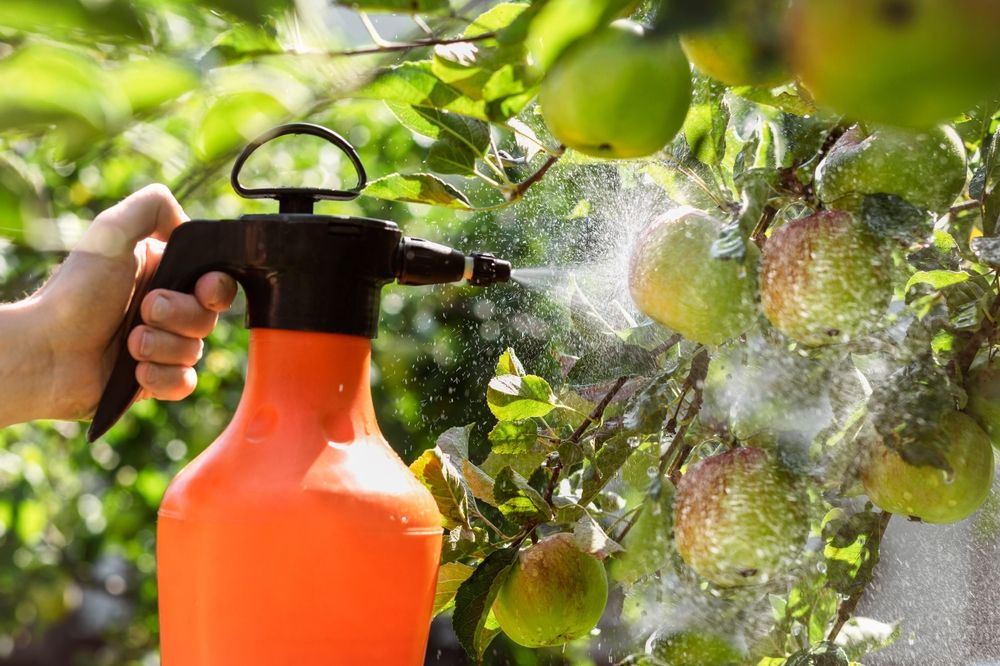
Gardening often involves combating pests and diseases that threaten the health and beauty of your plants.
While pesticides can be effective tools in managing these issues, their use requires careful consideration to ensure safety for both the environment and your garden.
Understanding your pesticides is vital, and here are five essential tips to help you use them wisely and sustainably.
Identify the problem accurately
Before reaching for any pesticide, make sure you have correctly identified the pest or disease affecting your garden. Misidentification can lead to ineffective treatment and unnecessary chemical use.
- Consult with experts: If you’re unsure, take a sample of the affected plant to a local garden centre or contact agricultural extension services for assistance.
- Use diagnostic apps: Technology can also aid in pest identification. Apps like Plantix or iNaturalist allow you to upload photos of your plants for community feedback and advice.
Understanding the specific issue helps select an appropriate and targeted pesticide, reducing the chance of overuse and resistance development.
Choose the right pesticide
Not all pesticides are created equal. Selecting the right type based on the identified pest or disease is essential for effective management.
- Read labels carefully: Always read the pesticide labels for information on targeted pests, application methods and safety precautions.
- Opt for specificity: Choose pesticides that are specific to the pests you are dealing with rather than broad-spectrum types. This minimises the impact on non-target organisms and beneficial insects.
By choosing the right pesticide, you ensure that you are addressing the problem effectively while minimising harm to the environment.
Follow the recommended dosage and application guidelines
Overusing pesticides can harm plant health, beneficial insects and the broader ecosystem. It’s vital to follow the label instructions meticulously.
- Measure correctly: Use the precise amount recommended. More is not necessarily better and can be harmful.
- Apply at the right time: Some pesticides are more effective when applied at specific times of day or under certain weather conditions. For example, applying during cooler parts of the day can reduce evaporation and increase effectiveness.
Adhering to these guidelines helps prevent damage to your garden and reduces the risk of chemical runoff into the environment.
Consider integrated pest management (IPM)
Integrated Pest Management (IPM) is a holistic approach to pest control that incorporates biological, cultural, physical and chemical tools in a way that minimises economic, health and environmental risks.
- Use physical barriers: Techniques such as using row covers to protect plants from insects or setting traps can reduce the need for chemical interventions.
- Encourage beneficial predators: Attracting or introducing beneficial insects like ladybugs or lacewings can naturally keep pest populations in check.
Implementing IPM strategies can lead to more sustainable gardening practices, reducing reliance on chemical pesticides while maintaining garden health.
Stay informed about pesticide safety and regulations
Pesticide regulations can change as new research becomes available. Staying informed about these changes ensures you use safe and legal products in your garden.
- Regularly check regulatory updates: Follow updates from local agricultural authorities or environmental protection agencies.
- Attend workshops or seminars: Participate in local gardening workshops or online webinars to stay informed about the latest in pesticide safety and sustainable gardening practices.
Chat to LHP Landscaping & Joel Irrigation for smart pesticide use
Understanding and responsibly managing the use of pesticides in your garden isn’t just about keeping your plants healthy—it’s about contributing to a healthier environment. By following these five tips, you can tackle garden pests more effectively and sustainably, ensuring your green space remains a safe and thriving ecosystem.
For further guidance on effective and safe pesticide use in your garden, consider contacting landscaping professionals like LHP Landscaping & Joel Irrigation. Our experts are equipped to provide you with the best solutions tailored to your gardening needs and environmental considerations.